Al Hayat GPT
An advanced, agentic Christian theological platform. Powered by multi-turn tool reasoning to explore biblical languages, compare theological traditions, and resolve critical apologetics.
Uncompromising Theological Rigor
Deep academic tools for studying Scripture. Dig into raw Greek and Hebrew lexicons, parallel translations, historical church creeds, and cross-reference multiple target perspectives in seconds.
Scripture Figure Chat Persona
Engage in dialogue with simulated biblical characters like Moses, David, Peter, and Paul. Gain contextual, narrative, and historical insights into how these figures convey theological concepts.
The Logos in John 1:1 and Genesis 1:1
John 1:1 intentionally mirrors the opening of Genesis 1:1 to establish Christ as the Creator and eternal Word:
"In the beginning was the Word, and the Word was with God, and the Word was God." [John 1:1]
In Genesis 1:1, God creates through His speech ("And God said..."). John reveals that this active word is a Person: Jesus Christ, the eternal Logos.
The World's First Christian GPT
Al Hayat launched its initial beta in February 2021 during the early OpenAI waitlist phase—making it without doubt the first Christian GPT in the world. Version 2.0 builds upon this pioneering heritage to deliver an advanced, multi-agent theological research workspace.
An Elevated Suite of Tools
Equipped with deep database search engines, Strong's concordance integration, and interactive widgets.
Scripture Library
Direct lookup tools for Greek/Hebrew concordances, Bible commentaries, Quran text search, and Hadith databases.
Comparative Theology
Compare doctrines side-by-side (Catholic, Eastern Orthodox, Protestant, Reformed) using historical creeds and early church fathers.
V2 SDK Integration
Embed the widget on external blogs or portals using Vanilla HTML, WordPress, React, Next.js, or Angular.
A Workspace That Adapts to You
Theological research demands focus. Whether you are analyzing Greek concordances at noon or comparing early church confessions at midnight, your research tools should adapt to your environment.
macOS-Style Visual Onboarding
Configure your workspace look upon your first visit. Choose light, dark, or system-matching colors with an elegant interactive picker wizard.
Unified Cloud Syncing
No matter which device you use, your preferences remain synchronized to your secure member profile. Pick light mode on your phone and your desktop updates instantly.
High-Contrast Light Mode
Expertly tuned text and primary variables render with vibrant contrast under bright sunlight, reducing eye strain and improving scriptural readability.
Chat Directly with Theological Books
Transform foundational reference works, apologetics volumes, and church treatises into interactive research companions. Ask questions, explore specific chapters, and receive exhaustive answers grounded strictly within the book's verified text.

Exhaustive Chapter Grounding
Every response cites exact chapters, pages, and arguments from books like The Quran Dilemma and classical theological works.
Interactive Follow-Up Suggestions
Receive 3 tailored, book-specific research questions at the end of each answer to explore criticisms and historical insights deeper.
Universal Knowledge Fallback
Stay confident in academic scope: questions outside the book's coverage gracefully offer one-click universal Al Hayat GPT lookup.
Real-Time Spoken Conversations
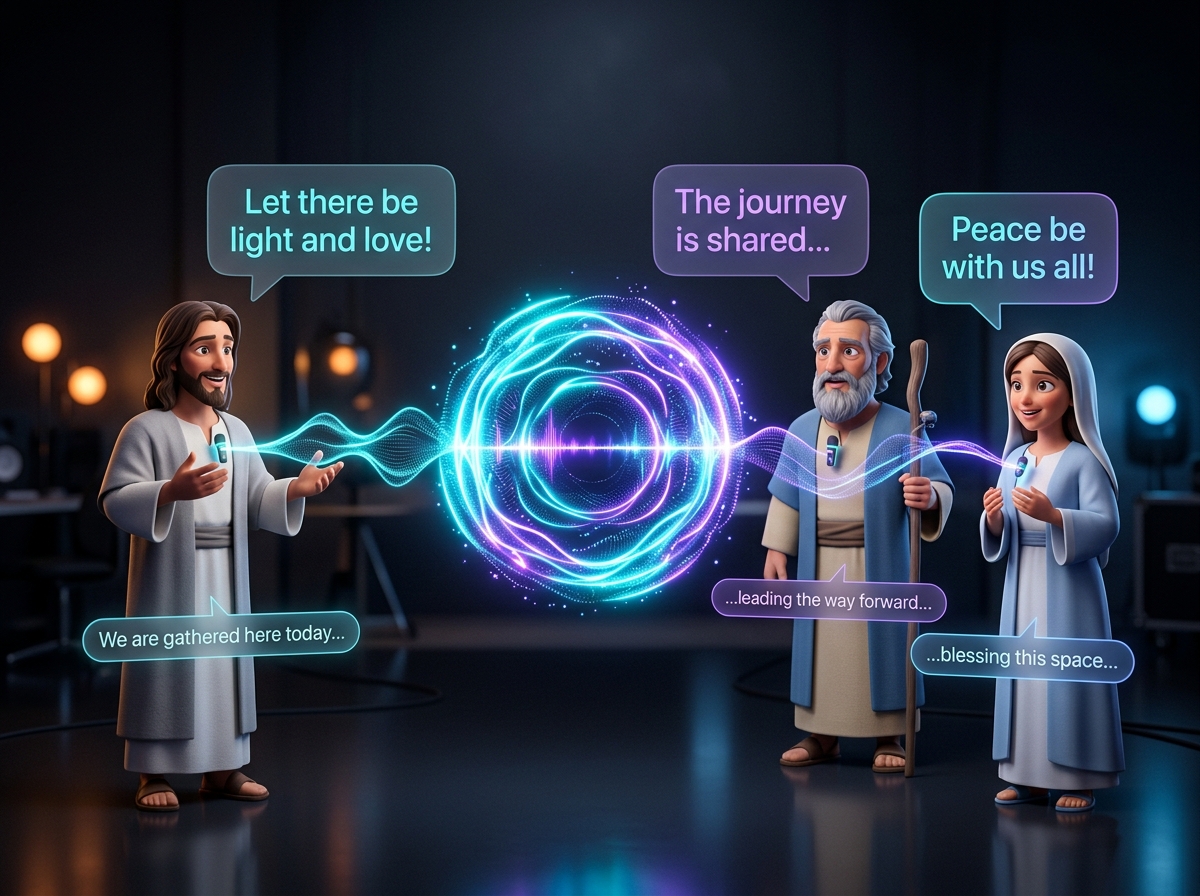
Talk naturally with Al Hayat GPT using fluid, low-latency voice-to-voice audio. Hear characters speak with distinct male and female personas, interrupt questions naturally at any moment, and drive hands-free with intelligent automatic pause detection.
Gender & Persona Matched Voices
Female figures (Mary, Esther, Ruth, Martha) speak with natural female voices, while prophets and apostles carry resonant, expressive tones.
Instant Spoken Interruption (Barge-In)
Jump in whenever you want. Hardware echo cancellation isolates your speech, instantly pausing the AI without cutting off words.
Hands-Free Driving & 50+ Languages
Switch to Driving Mode for auto-send on speech pauses, supporting Arabic, English, Spanish, French, German, and 50+ languages natively.
Chat with Historical Biblical Figures
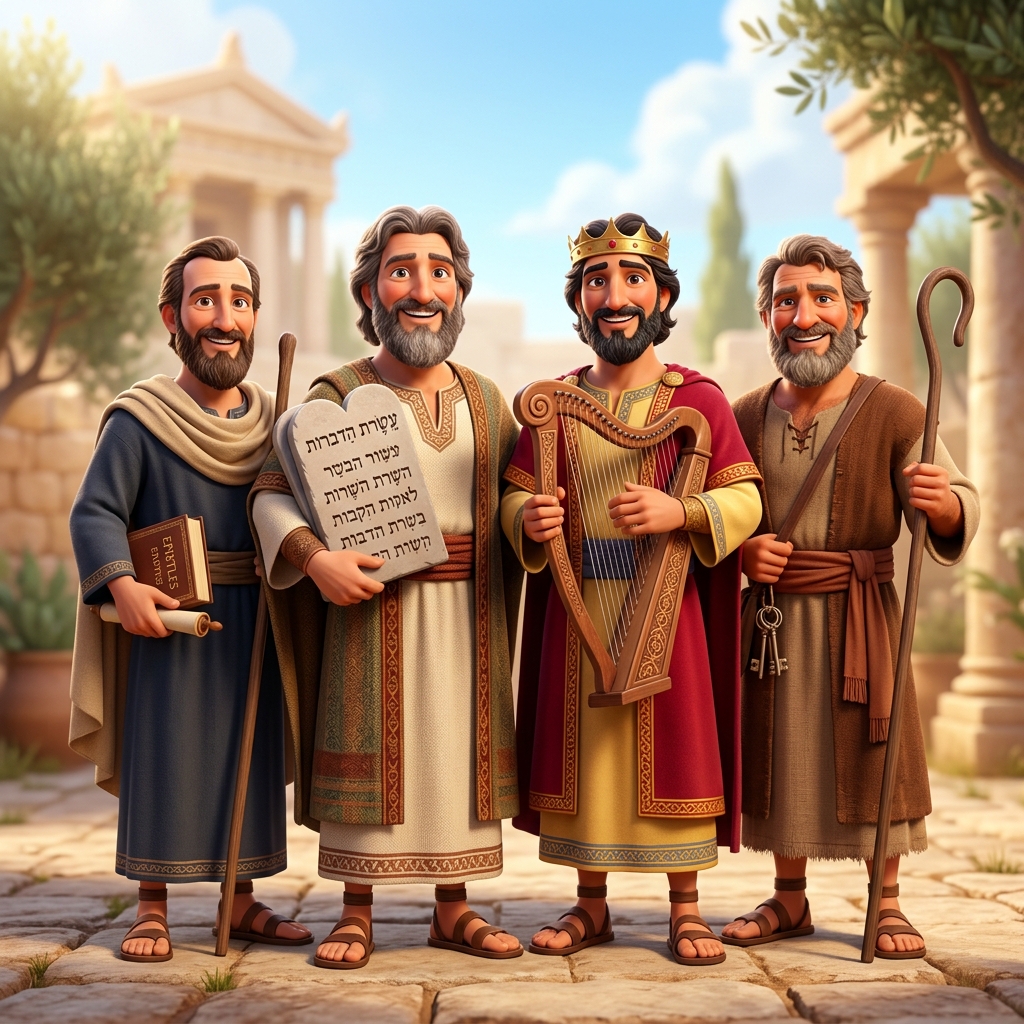
Step directly into the pages of history. Engage in dialogue with simulated biblical characters to explore scriptural covenants, narratives, and contextual theology from their perspectives.
Narrative Contextualization
Gain perspective on key covenants, epistles, and scriptural narratives through simulated dialogues.
Multi-lingual Dialogue
Chat with characters in English, Arabic, Spanish, French, German, or any preferred interface language.
Historical Consistency
Simulated responses are grounded in patristic writings and historical texts to ensure consistency with classical Christian traditions.
Bring Al Hayat GPT to Your Audience
Add the chat widget to your websites with just a few lines of code. It features guest session support (no Clerk sign-in required for your visitors), fully responsive sizing, and automatically streams answers over the secure API gateway.
Backward Compatible
Works with existing V1 initialization codes without breaking codebases.
Domain Whitelisting
Secure access control rules configurable through the Sanity admin dashboard.
<div id="ahgpt-chat"></div>

<script src="https://alhayatgpt.com/widget-sdk.js" defer></script>
<script>
  window.addEventListener('AlHayatGPTSDKReady', () => {
    AlHayatGPT.createWidget({
      containerId: 'ahgpt-chat',
      theme: 'dark'
    });
  });
</script>Original Greek, Hebrew, and Translation Parallel Viewer
Study the scriptures in their primary languages. The Parallel Viewer allows you to lay Greek (GNT/LXX) and Hebrew (Masoretic Text) side-by-side with localized English and Arabic translations. Deep-dive into lexical and grammatical details instantly.
Strong's Concordance Linking
Select any word in the Greek or Hebrew panels to pull up Strong's Lexicon entries, morphological parsing, and root definitions.
Integrated Commentaries
View classical Protestant, Reformed, Catholic, or Eastern Orthodox commentaries synchronized next to the parallel scriptural text.
In the beginning was the Word, and the Word was with God, and the Word was God.
Ἐν ἀρχῇ ἦν ὁ λόγος, καὶ ὁ λόγος ἦν πρὸς τὸν θεόν, καὶ θεὸς ἦν ὁ λόγος.
فِي الْبَدْءِ كَانَ الْكَلِمَةُ، وَالْكَلِمَةُ كَانَ عِنْدَ اللهِ، وَكَانَ الْكَلِمَةُ اللهَ.
Confession & Creed Compare Engine
Cross-reference differences systematically. Our comparison engine details exact theological positions on Christology, Soteriology, and Ecclesiology across Catholic, Eastern Orthodox, Protestant, and Reformed histories.
Ecumenical Creed Mapping
Trace and compare arguments directly to historical confessions, including Nicene, Apostles', and Chalcedonian standards.
Patristic Confessional Graphs
Examine early consensus points from Patristic authors (Ignatius, Irenaeus, Augustine) to see how early doctrines developed.
🔍 Search verification context
"...and for their saying: 'We killed the Messiah, Jesus son of Mary, the messenger of Allah...' But they killed him not, nor did they crucify him..."
The crucifixion of Jesus is one of the most securely established facts of the ancient world, recorded by non-Christian historians (Tacitus, Josephus, Lucian) within decades of the event.
Rigorous Christian Apologetics
Equipped to answer challenging questions, comparative studies, and debates with deep historical and primary source references. Grounded in ecumenical Christian creeds, church history, and scholarly material to present the truth clearly.
Athanasius, Augustine, and historical consensus.
Direct query tools for Quran and Hadith references.
Read AI research & briefs
Explore articles on AI topics with short summaries, full rich-text write-ups when available, and downloadable files when attached.
Articles + attachments
Published from the admin dashboard with a full HTML editor.
Dive Deeper Into Scripture
Begin your study or embed Al Hayat GPT 2.0 to empower your visitors with faithful, agentic scriptural guidance today.